
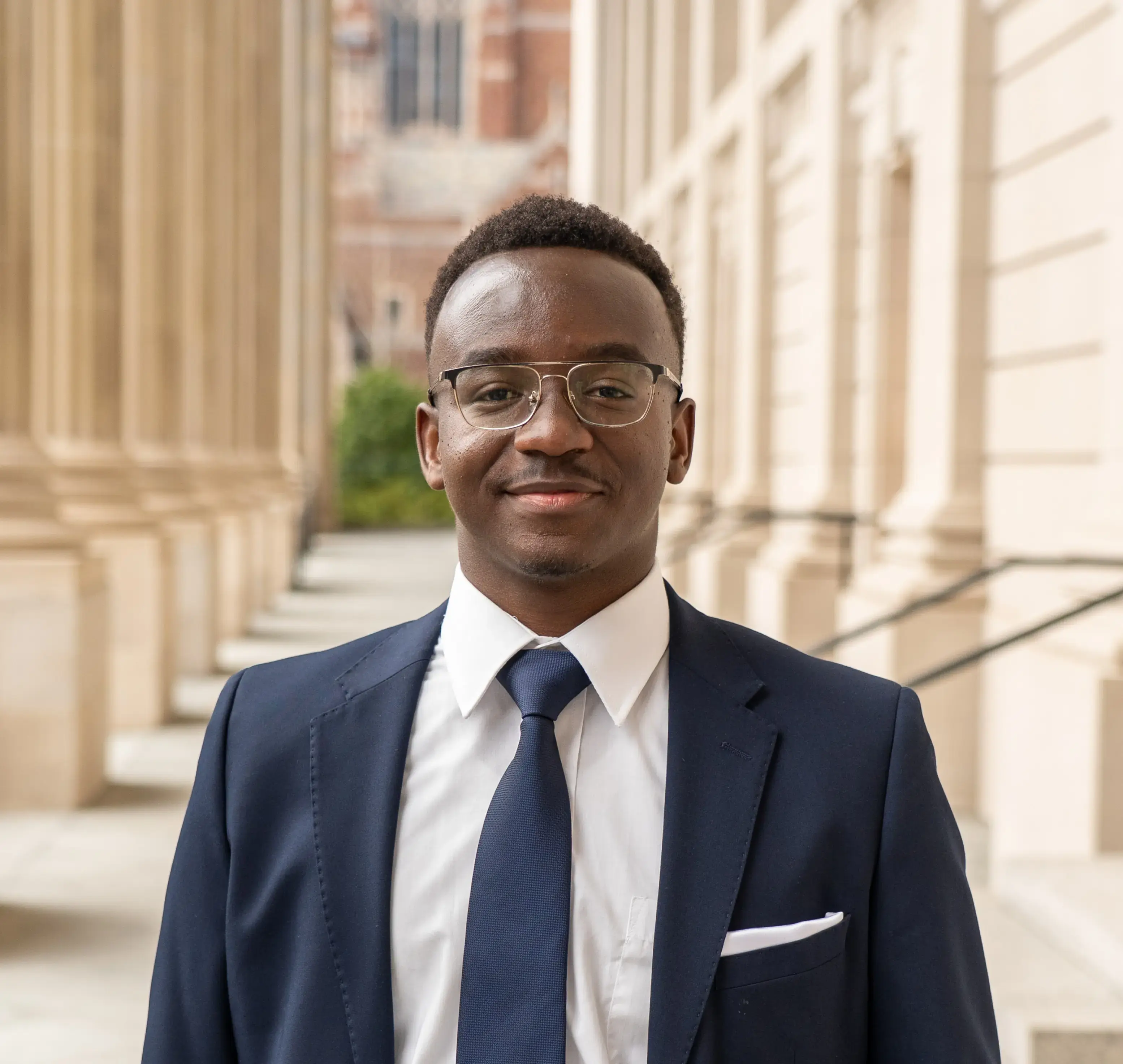


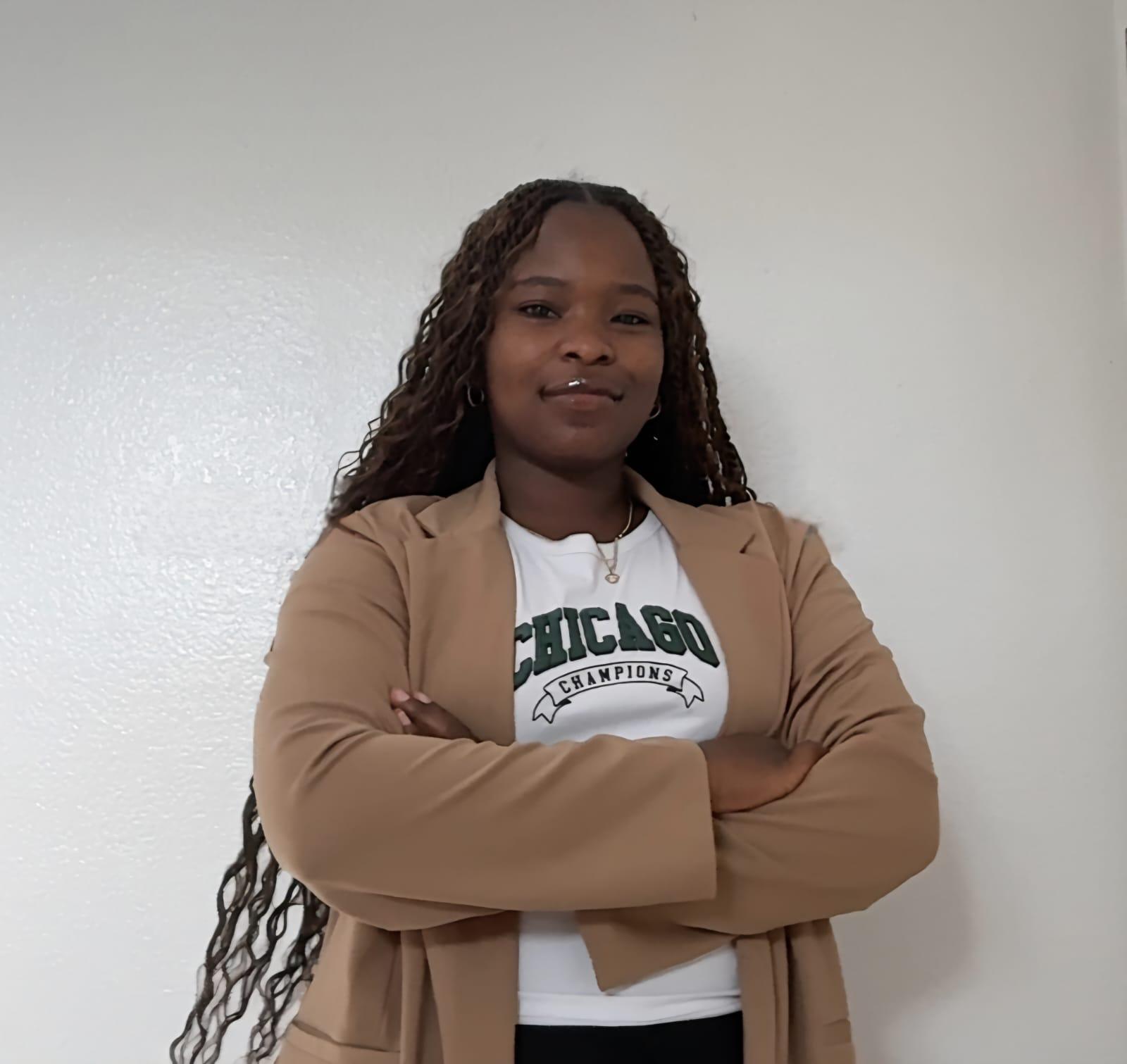





We are

Passionate about bringing real inclusivity in Math education

We've co-designed and co-developed with students and teachers with visual impairments — building a solution that works for them.

  • Led by the visually impaired community

  • Mentored by experts in education and assistive technologies

  • 3+ years of validation, testing and growth

Meet ourteam

Photo of Ron George Pile

Ron George Pile

Founder & CEO

Photo of Alloyce Lugoma

Alloyce Lugoma

Finance

Photo of Kenda Kenda

Kenda Kenda

Operations

Photo of Augustine Wabwile

Augustine Wabwile

Product Accessibility

Photo of Anthony Arani

Anthony Arani

Legal

Photo of Mina Visavadia

Mina Visavadia

Education

Photo of Tasha Ogoti

Tasha Ogoti

Software Engineer & AI

Photo of Morgan Anunda

Morgan Anunda

Software Engineer & AI

Photo of Samson Moturi

Samson Moturi

Software Engineer & AI

Advisors withindustry experience

Photo of Fred Haga

Fred Haga

Director of Special Needs, Ministry of Education, Kenya

Photo of Harry Opiyo

Harry Opiyo

Investment Manager, AT4D Trust

Photo of Ryan Pakebusch

Ryan Pakebusch

Education Studies Professor, Yale University

Photo of Elly Savatia

Elly Savatia

Founder & CEO, Signvrse

Ourpartners

We collaborate with schools, accessibility advocates, and education teams to reach every learner.

  • AT4D logo
  • Kilimanjaro Blind Trust Africa logo
  • inABLE logo
  • Tsai CITY, Yale logo
  • Johns Hopkins University Pava Center logo

Ourjourney

  1. A Paperboard Learning Aid for Trigonometry

    AssistiveMath began in high school at the Kenya Science and Engineering Fair when our founder, Ron Pile, explored how visually impaired students could learn mathematics through simple and accessible learning aids. He adapted the hand-rule trick for learning sines, cosines, and tangents into a tactile learning aid. It was made from waste cardboard paper— therefore making it simple, portable, cost-free, and easy to replicate.

  2. COVID-19 Revealed a Bigger Problem

    During the COVID-19 pandemic, many schools moved to online learning, but students with visual impairments were often left behind. Remote learning tools could not accommodate both sighted and visually impaired learners, forcing learning to stop altogether. This moment revealed that the challenge was the lack of accessible, affordable learning systems for visually impaired students.

  3. From Physical Tool to Digital Platform

    Ron began transforming the original paperboard model into a digital learning aid. He launched the first AssistiveMath website, starting with the trigonometry tool and talking calculators to support distance learning. He also shared the project with Mr. Fred Haga, Director of Special Needs at Kenya's Ministry of Education, whose feedback helped validate the idea.

  4. Expanding Beyond Trigonometry

    Through conversations with visually impaired students, teachers, and special needs education leaders, AssistiveMath's vision expanded. The feedback was clear: students needed support across mathematics, not just trigonometry, and teachers needed tools to create accessible learning materials. This pushed AssistiveMath from a single learning aid into a broader accessibility platform.

  5. Research, Pilots, and School Feedback

    AssistiveMath grew from a passion project into a startup. The team conducted research on accessibility gaps in math education, learned web accessibility principles, and began building a scalable digital solution. With support from partners like InnovateNow and KBTA, they piloted the prototype with visually impaired learners and teachers, gathering feedback to improve usability and classroom fit.

  6. Recognition and a Larger Vision

    AssistiveMath continued to grow through venture-building programs and ecosystem support, including Yale Tsai CITY LaunchPad. The platform received the Inclusive Africa Conference Award by inABLE, recognizing it as one of Africa's most promising assistive technology startups in 2025. This recognition affirmed the platform's potential to improve access to quality mathematics education

  7. Building the Future of Accessible Math

    AssistiveMath is building a digital platform that supports visually impaired students and the teachers who serve them. The platform is evolving beyond learning aids into accessible content creation, teacher support tools, AI-powered accessibility, and inclusive classroom resources. From a cardboard prototype to a growing assistive technology startup, AssistiveMath remains guided by one mission: making math education inclusive for every learner.

Ready to make Math inclusive?

For schools, ministries, NGOs, and exam boards — let's make math inclusive together.

Get in Touch

Join our mailing list to receive relevant updates on our developments.

AssistiveMath

Making Math Education Inclusive for the Visually Impaired

Social

Copyright © 2026 AssistiveMath. All rights reserved.